A guide to the workings of club meets, how to come on meets, what to bring and more.
How do I get on a meet?
If you’re new to the club, the best place to start is one of our new members’ meets, which we hold in the spring and autumn. You can email the new members’ secretary for more details.
We hold outdoor meets throughout the year. To see upcoming scheduled meets, and contact details, view our meets page.
The club also has a lot of informally organised trips, heading to wherever the weather looks most promising. The best thing to do is to come along to The Castle/Brownswood on Monday evenings to meet and get to know other members.
Trips are also organised through our chat forum.
What experience do I need?
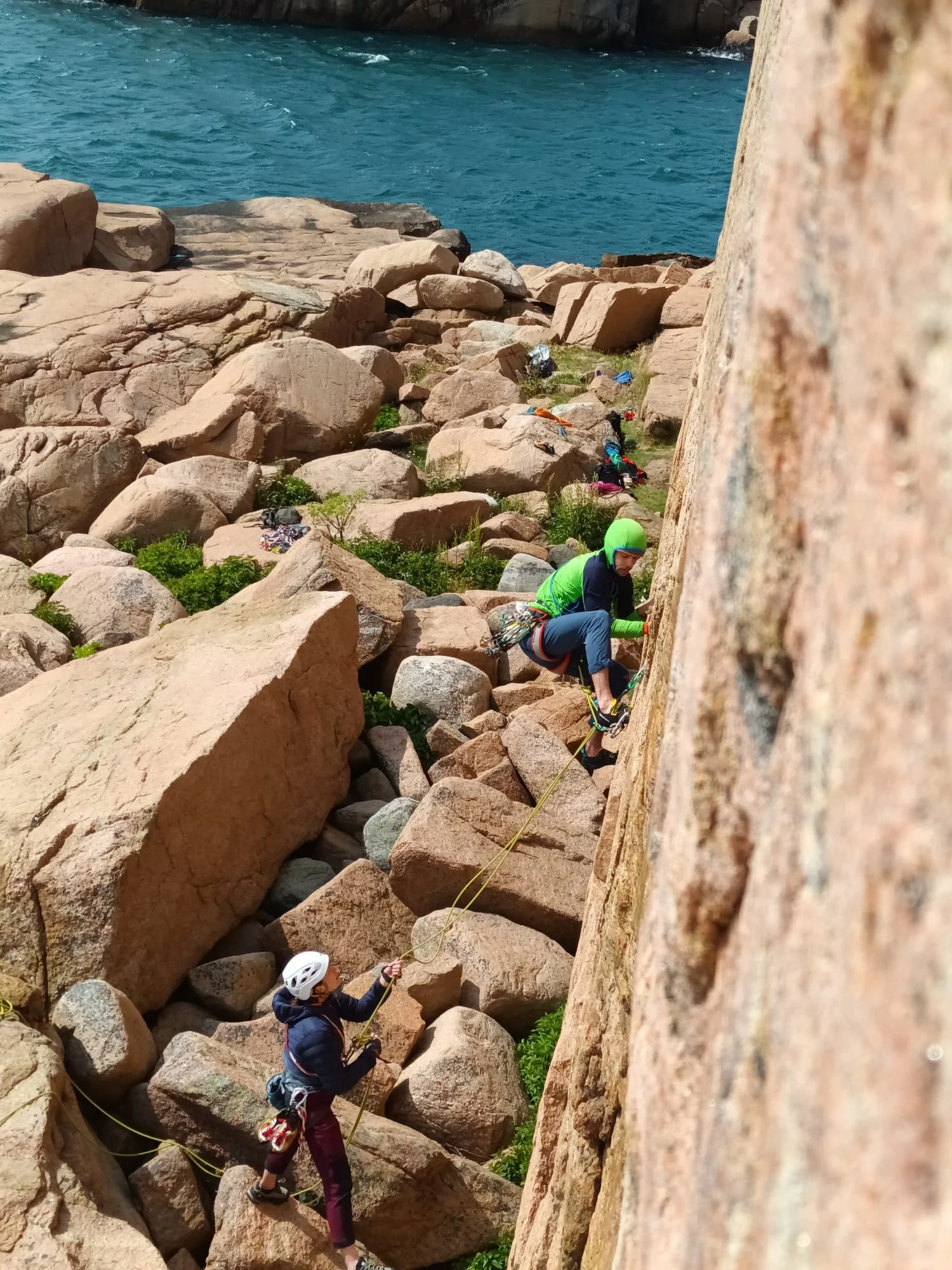
The club does not provide any formal training - the club is committed to knowledge sharing but we are not instructors.. To go away with us you don’t need to be an expert climber but you do need to be able to belay safely, have the appropriate equipment, and be enthusiastic. Participation in club activities is entirely at member’s risk. As of the 2019 Constitution updates, demonstrating proficiency in lead belaying (to be confirmed by two existing members) is now a requirement to join the club.
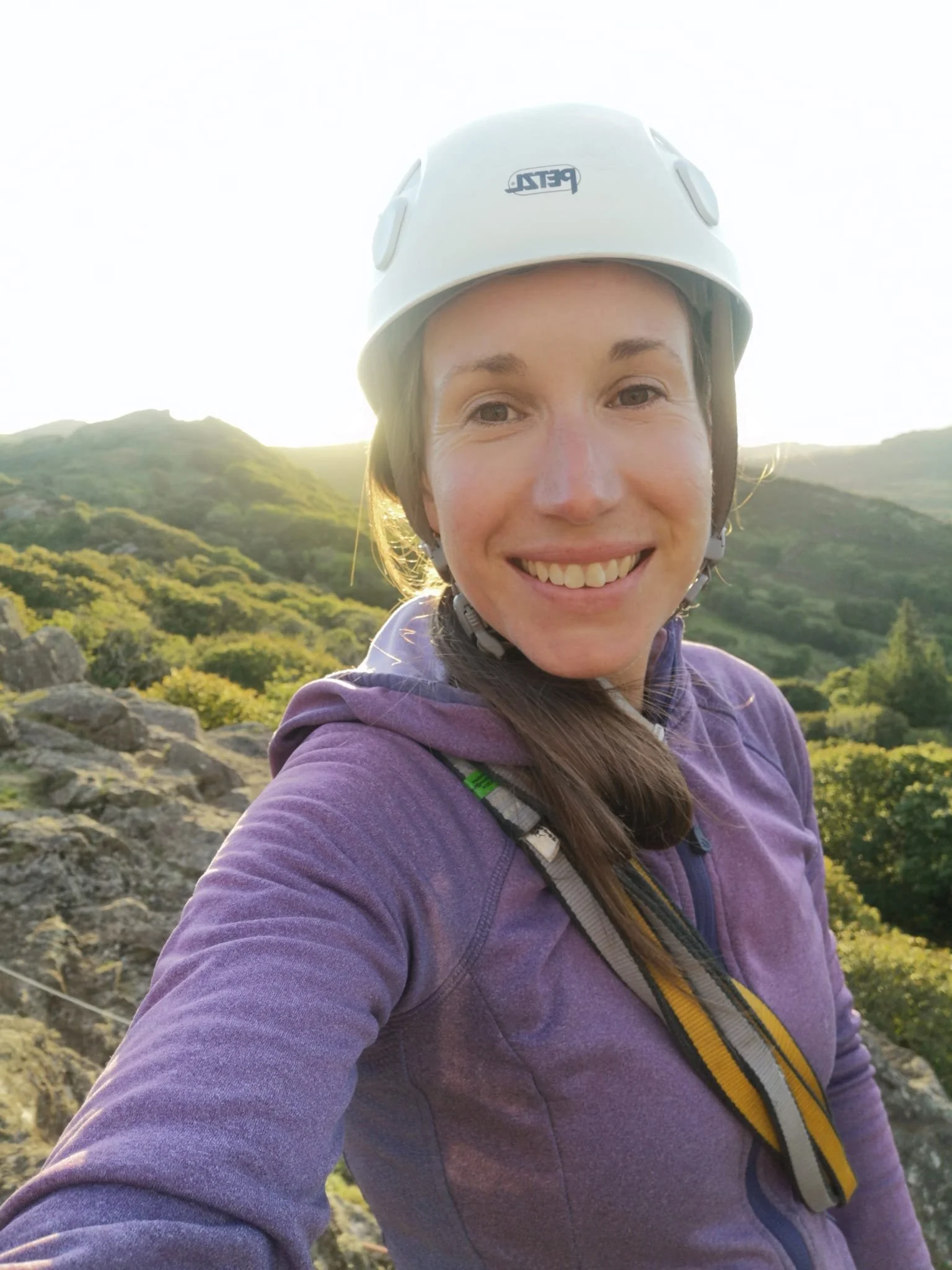
If you feel you need tuition or a refresher to attain the club’s joining prerequisite of being able to safely belay, we are lucky to have in our membership climbing instructor Holly Peristiani who you can contact for further information - see below for more course information.
What courses do you recommend?
If you feel you need tuition or a refresher to attain the club’s joining prerequisite of being able to safely belay, we are lucky to have in our membership climbing instructor Holly Peristiani who you can contact for further information. Holly is a qualified climbing instructor and regular member of the NLMC (she was the New Members Secretary a few years ago).
She runs bespoke trips for small groups as well as 1:1 coaching indoors & outdoors.
trad gear placement & building anchors
abseiling
sport climbing, rethreading anchors, using a clipstick
setting up ropes for top-roping (belaying at the top of a route, in case you don't want to lead it)
movement & technique guidance
mental skills, fear of falling
rock-specific techniques e.g. crack cracking.
If you want to go on a residential course for rock climbing, Plas y Brenin in Capel Curig, North Wales (close to the club’s cottage), is the National Outdoor Centre and runs many different courses. If you want to learn winter climbing, Glenmore Lodge in the Cairngorms, Scotland, runs courses and you’ll have a better chance of good snow and ice conditions there than in North Wales.
There are many other training courses available at London climbing walls and outdoor centres.
What equipment do I need to go away with you?
Climbing
climbing shoes
harness
helmet
screwgate carabiner (HMS type is ideal)
belay device.
Ideally, you should also have a nut key, an additional screwgate and two prussics (and know how to use them).
The club does not own any climbing gear (ropes, rack, etc.) so people bring their own and share as necessary. If you have none, don’t worry because there is normally enough to go around and you’ll end up buying your own as you gain experience.
Clothing
waterproof
approach shoes or walking boots
outdoor suitable trousers
base layer
fleece
rucksack
head-torch.
Exact requirements will depend on venue and season.
Other
sleeping bag (required for the club cottage and all camping trips)
When camping, tent and sleeping mat. If you intend to cook anything, cooking equipment (stove, mug, pans, etc.) unless you’ve arranged to cook with someone else on the trip
wash kit
towel.
Food
breakfast and lunch for each day of the trip (this can often be bought on the way to the meet, but check with your driver first)
water bottle
Evening meals we sometimes cook and sometimes go to the pub.
Do you go walking or scrambling?
We are a climbing-focussed club. Members will go walking and scrambling from time-to-time, but on most trips away we climb – there isn’t usually a walking contingent. There are other London clubs that do offer more of a range of activities.